BEAUTY
 E-COMMERCE
 EDUCATION
 HEALTH
 TECHNOLOGY
 TRAVEL
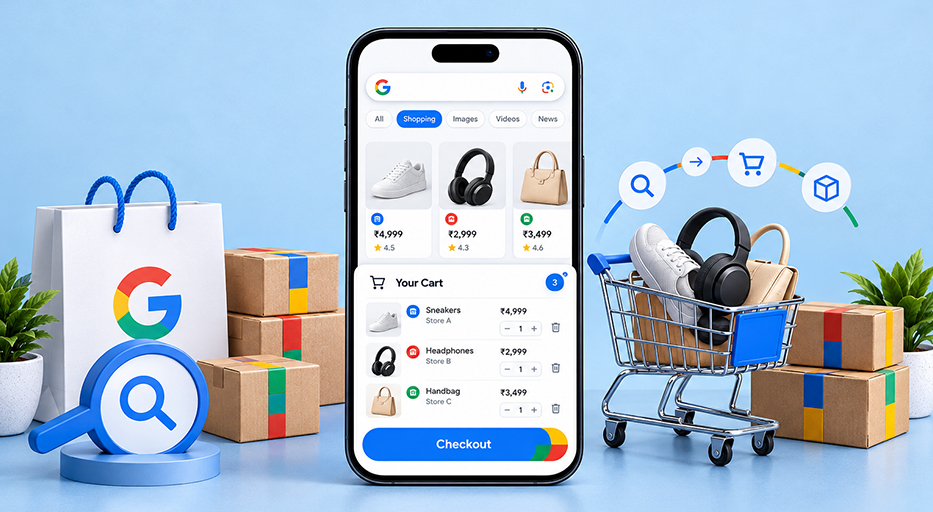
Last week you probably did this: found a jacket on Nike, wondered if Target had it cheaper, opened Walmart “just to check,” then closed everything and bought nothing.
Google wants that to stop. Since October 15, 2026, Google Universal Cart live in the US means one cart travels with you through Search and the Gemini app, holding products from different stores until you’re ready to buy. Pay right there, or send the whole lot to the store’s own site. Either way, the brand stays the seller.
Sounds small. It isn’t. Whoever owns the cart owns the moment someone decides to buy.
Quick facts
- Google Universal Cart is live now in Search (including AI Mode) and the Gemini app, US only
- One cart, many retailers
- Two ways to buy: Google Pay in the cart, or transfer to the store
- Named brands: Walmart, Target, Nike, Sephora, and Shopify merchants
- YouTube and Gmail were promised in May, with no date yet
What Google Universal Cart Live Actually Does
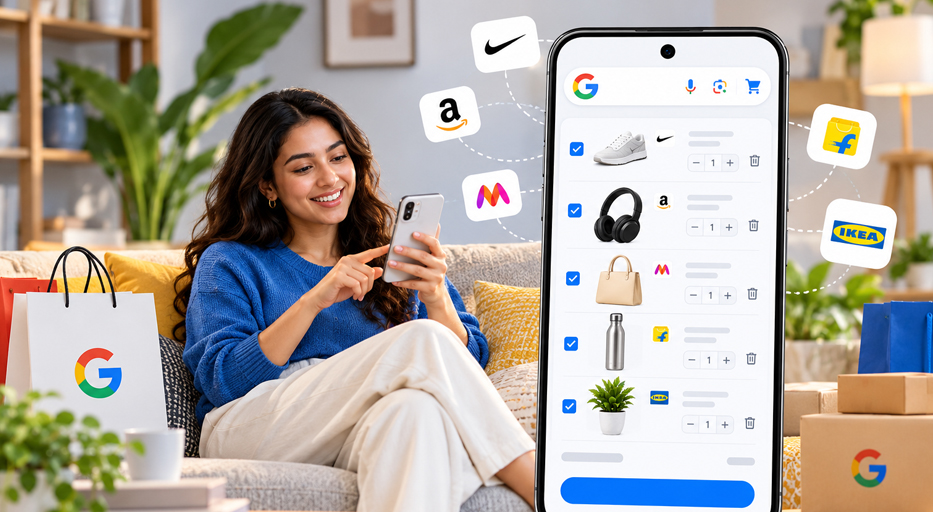
Think of it as an online shopping cart that belongs to Google instead of a store. Add a pair of trainers from one retailer and a lipstick from another, and both wait in the same place while you carry on searching or chatting with Gemini.
Google announced it at I/O in May. Search Engine Journal’s launch report says it arrived just ahead of the holiday season, and that’s not a coincidence.
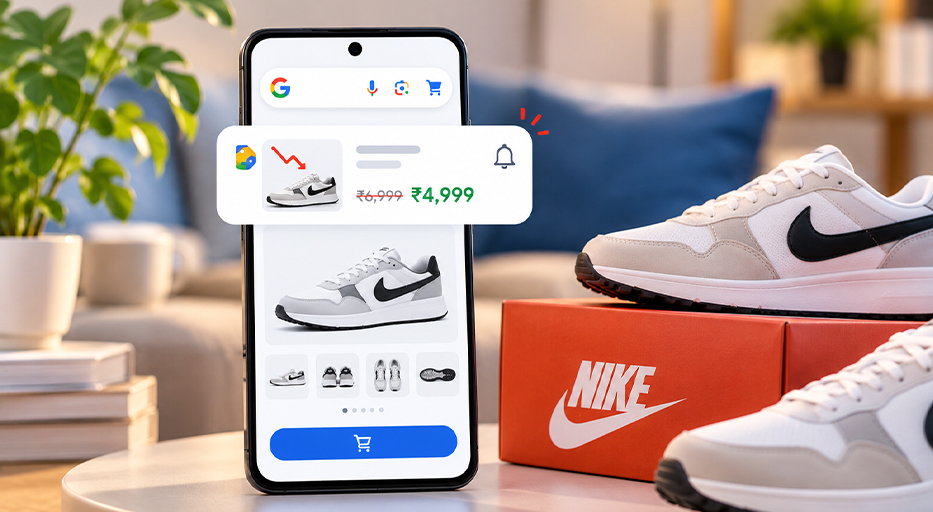
The cart also watches your items. If something drops in price or comes back in stock, you get an alert. Because it’s tied to Google Wallet, it can suggest which of your cards earns the best perk and surface promo codes.
From Google Shopping Search to Checkout in Two Routes
You start with a Google Shopping search, add something, keep browsing, and then choose how to pay:
- Pay in the cart. Google Pay finishes the sale “in just a few taps” with participating brands.
- Transfer to the store. Your items land in a pre-filled cart on the merchant’s site, and you finish there.
Google’s own line is that “no matter which way you buy, the brand stays the merchant of record.” So returns, support, and the sale stay with the store.
One catch. The first version of the handoff is one-way. Google can create your cart on the store’s system but can’t update it after. Change a size on the store’s site and Google’s cart won’t notice.
Google Shopping Compare Prices: Where the Cart Stops
Here’s the part most early write-ups blur. The cart is not a price comparison engine. Neither Google’s launch post nor the October coverage describes a side-by-side compare feature inside it.
What you get is price watching. Comparison still happens in Google Shopping, where Google says its Shopping Graph covers more than 60 billion product listings. If you use Google Shopping compare prices tools to find the best deal, the cart is what you do next.
That order matters, because an alert isn’t a bargain by itself. We break down how to spot a fake discount in our guide to why online shopping prices change and the best time to buy.
The Brands Behind It
Google says select checkout features are coming with Nike, Sephora, Target, Ulta Beauty, Walmart, Wayfair, and Shopify merchants like Fenty and Steve Madden. In plain terms:
- Walmart: Rollbacks and clearance live on one deals hub, a natural fit for price alerts.
- Target: Offers and coupons sit on one page, so alerts and promo codes could stack nicely.
- Nike: Thousands of sale items, so tracking one pair beats refreshing a page.
- Sephora: Gift sets and promotions rotate fast. Alerts help.
- Shopify: Eligible US stores have Direct Checkout on by default. How that works inside Google’s cart is still unclear.
“Select” matters. It doesn’t mean every product at every store works the same on day one.
Why Walmart and Target Aren’t Fully On Board
Here’s the interesting bit. According to Startup Fortune, drawing on earlier Modern Retail reporting, Walmart and Target support only some checkout options, not a full handoff.
The reasoning: both run their own shopping ecosystems and don’t love handing Google data on who’s buying what, and why. They want the traffic. Not the middleman.
For you, that’s a real trade-off. A cart that follows you across stores is convenient, and whoever runs it learns a lot about you. Neither reason to panic nor reason to ignore it.
How to Use It Without Getting Burned
With Google Universal Cart live, a few habits help:
- Check the total at the online store checkout, including shipping and tax.
- Use the store transfer if you care about loyalty points.
- Don’t treat a price-drop alert as a verdict. Check what the item normally costs.
- Read the returns policy. The brand’s rules apply, not Google’s.
- Get a second opinion from an AI assistant. We compared a few in our ChatGPT, Dots and Meta Muse shopping test.
The Bottom Line
The path from search to purchase just got shorter, and Google now sits in the middle of it. Fewer tabs, better odds of catching a price drop. But for stores, the online store checkout has a new gatekeeper, and some of them are visibly nervous.
Try it on something small first. Judge the alerts before trusting them with the big buy.
Frequently Asked Questions
An online shopping cart inside Google Search and the Gemini app that holds items from many stores and lets you pay in the cart or send them to the retailer.
Yes. The rollout began October 15, 2026, in Search and the Gemini app. YouTube and Gmail have no date yet.
Not directly. It tracks prices and restocks for items you add. Compare first in a Google Shopping search, then add your pick.
Nike, Sephora, Target, Ulta Beauty, Walmart, Wayfair, and Shopify merchants such as Fenty and Steve Madden, with options varying by brand.
The brands. Google says the merchant remains the merchant of record either way.