BEAUTY
 E-COMMERCE
 EDUCATION
 HEALTH
 TECHNOLOGY
 TRAVEL
Ever caught yourself assuming skincare is just a morning habit, or that buying a new lipstick is a quick, throwaway impulse?
Think again.
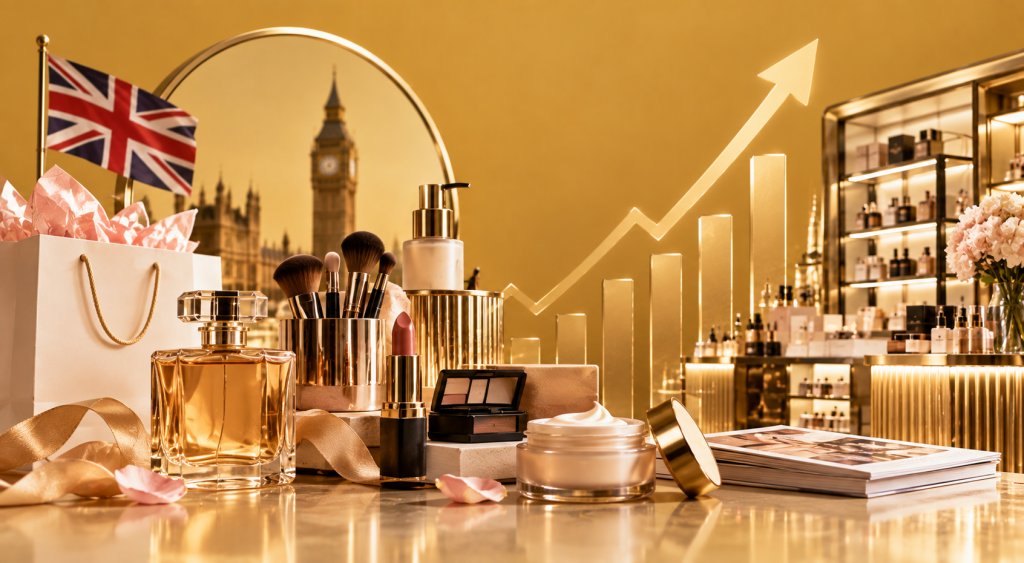
Pop-ups. Live masterclasses. Packed high-street launches. As activations roll out nationwide for British Beauty Week 2026, the underlying story isn’t really about viral lip oils or glowing skin hacks. It’s about a massive, strangely bulletproof, multi-billion-pound economic engine running full steam in the background.
From indie clinical labs to legacy luxury beauty brands, British consumers keep sending the same signal: self-care isn’t something they chop from the budget when times get tight.
The £28 Billion Powerhouse
Look at the raw math.
The latest Value of Beauty 2026 report from the British Beauty Council puts the total GDP output of the UK beauty industry at a staggering £28.3 billion.
Let that sit for a second.
This equates to about 600,000 people in the UK employed in personal care, which is nearly equal to the number employed in the UK’s national construction industry.
So, what makes the British beauty scene so distinct? Simple. Combines clinical knowledge with “high street” access. While local salons boost daily store traffic and specialized UK labs ship products worldwide, the sector consistently outperforms expectations quarter after quarter.
- Direct GDP Output: £28.3 Billion
- Jobs Supported: ~595,000 UK positions
- Treasury Revenues: £8.8 Billion in taxes
- Global Product Exports: £4.2 Billion
The Heavyweights Driving Global Demand
Behind the big macro numbers are homegrown UK cosmetic brands that turned basic daily routines into worldwide cultural fixations.
A few heavy hitters worth calling out:
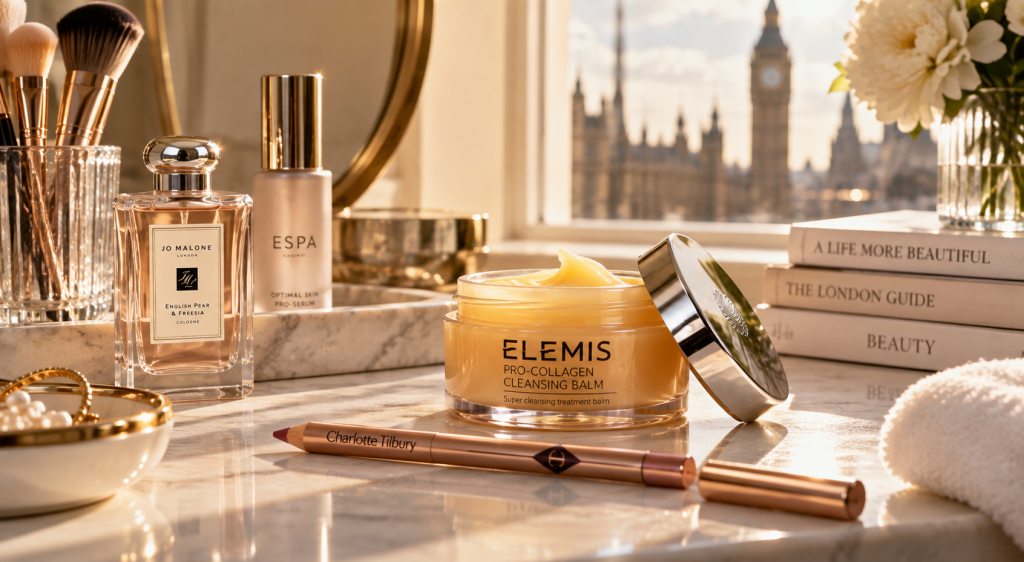
- Charlotte Tilbury: Born in London, this giant basically owns prestige makeup. Their Pillow Talk Lip Cheat liner moves so fast off shelves worldwide that tracking sales velocity feels like watching a ticker tape.
- ELEMIS: The gold standard for British botanical science. Their Pro-Collagen Cleansing Balm remains a non-negotiable holy grail for melting off stubborn makeup without wrecking your skin barrier.
- Lush: Way before eco-friendly was a corporate requirement, Lush disrupted retail with waterless, zero-packaging formulas. Case in point: their Intergalactic Bath Bomb remains a global fan favorite.
Why British Beauty Week Matters
This isn’t just a giant meetup for makeup enthusiasts.
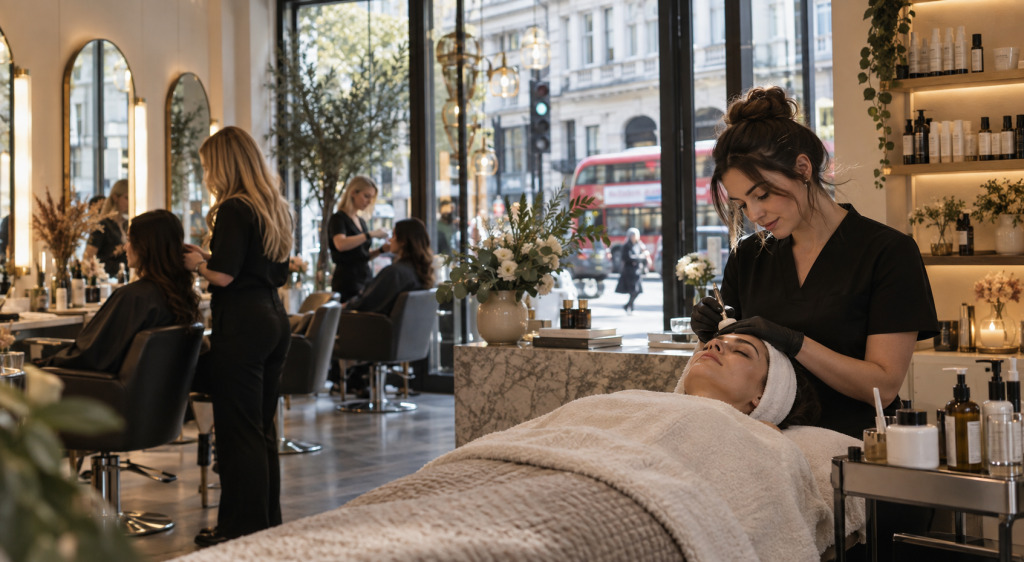
British Beauty Week brings policymakers, chemists, independent makers and high street shoppers together in the same room. It helps everyone see the little-known infrastructure that keeps things moving, from formulation labs and sustainable packaging developers to the owners of physical retail spaces, like local salons that keep districts alive.
| What Drives the Market | The Real-World Impact | What Shoppers Get |
| Scientific R&D | Drives £4.2B in exports | High-potency, tested formulas |
| Local Salons | Supports 240k+ service jobs | Essential local wellness hubs |
| Sustainable Tech | Leads plastic-free packaging | Eco choices without the compromise |
Personal care is more than just appearances; it’s about feeling better. It’s about confidence, practice, and economic heft. British beauty continues to break the mold and shows that beauty isn’t just beauty – it’s a business!
Frequently Asked Questions
How much is the UK beauty industry actually worth?
The British Beauty Council estimates the sector accounts for £28.3bn of UK GDP and employs almost 600,000 people.
When is British Beauty Week 2026?
British Beauty Week 2026 takes place in October and brings brand pop-ups, expert panels, and high-street activations nationwide.
What are the most famous British beauty brands?
Some of the biggest global names include Charlotte Tilbury for prestige cosmetics, ELEMIS for spa-grade skincare, and Lush for sustainable bath products.