BEAUTY
  E-COMMERCE
  EDUCATION
  HEALTH
  TECHNOLOGY
  TRAVEL
Remember when travel felt unpredictable, fragmented, and weighed down by lingering restrictions? Those days are completely in the rearview mirror.
International travel isn’t just recovering; it is smashing records. According to the latest findings in the World Economic Forum’s Travel & Tourism Development Index 2026 (published in partnership with Zurich Insurance Group), average TTDI scores rose 2.1% between 2024 and 2026, the fastest pace of sector improvement since 2019.
As traveler appetite shifts heavily toward experiential journeys, long-term tourism development has become the defining lever for national economic resilience.
Decoding the 2026 Tourism Leaderboard
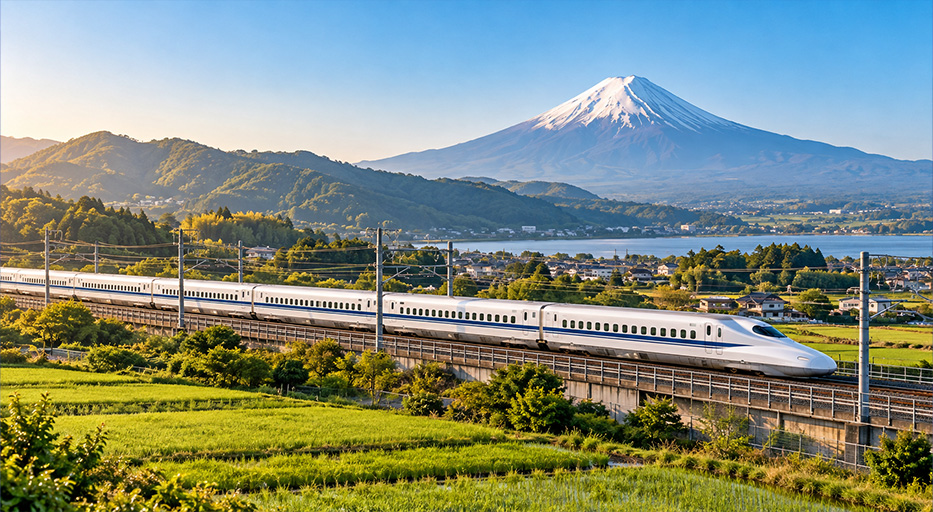
Countries that have been spending heavily to make their transport systems, aviation networks, and cultural heritage more resilient are already ahead in the 2026 tourism ranking. Nine of the top 10 destinations are advanced economies, six of which are in Europe.
In demand distribution, Japan rose two places to #1 on the global ranking, with broad demand across regional hubs and strong high-speed rail integration.
| 2026 Rank | Country | Primary Growth Driver |
| #1 | Japan | Regional traveler dispersion & high-speed rail |
| #2 | United States | Air route connectivity & massive leisure infrastructure |
| #3 | Spain | Robust intra-European flight networks & hotel capacity |
| #4 | France | High cultural asset density & global tourist draws |
| #5 | Italy | World-class heritage sites & hospitality ecosystem |
| #6 | Germany | Premium business infrastructure & transport efficiency |
| #7 | United Kingdom | Strong international flight hubs & cultural attractions |
| #8 | Australia | Natural tourism assets & high service industry standards |
| #9 | Singapore | Frictionless border tech & urban transit networks |
| #10 | China | Massive domestic travel scale & expanding eco-resorts |
Emerging Market Surge: Advanced economies lead, and emerging markets are accelerating. The Top 10 economies with tourism growth have seen their TTDI scores improve more than 2 times as fast as the Top 20 economies, with Asia-Pacific economies leading and Albania among others.
Digital Aggregators Fueling the Surge

Where is all this historic growth in global tourism headed? The mobile-first booking experience has changed how people plan, compare, and book their trips.
These booking powerhouses act as digital backbones for global tourism development:
- Expedia: An AI-driven algorithm connects travelers with new destinations and optimizes multi-stop itineraries for flights, cars, and accommodations.
- Trivago: Helps budget-conscious travelers find out where to stay by offering real-time price comparisons with dozens of providers.
- On the Beach: A popular package holiday destination for UK travelers, offering flexible payment options and promoting ‘sunshine’ packages with little or no deposit.
Navigating Bottlenecks and Sustainable Futures
Rapid expansion isn’t without friction. The index highlights several critical tourism industry challenges that require active intervention:
- Price Competitiveness Pressure: Three-quarters of the ranked economies are becoming less price competitive, with tourism prices rising faster than overall inflation in many economies.
- Workforce & Capital Gaps: Investment has lagged post-2022 demand growth, while lingering hospitality labor shortages risk slowing gains in service quality.
- Overtourism Pressure: High visitor density in landmark capitals threatens local infrastructure and resident satisfaction.
Destinations gaining momentum are focusing on sustainable tourism to build positive momentum. Leaders are implementing measures to reduce daily visits to nature-sensitive areas, upgrade railway services, and encourage co-certified lodging, which will benefit local communities and help preserve the environment over the next few decades.
Frequently Asked Questions
It is the 10th edition of the World Economic Forum’s flagship report (produced with Zurich Insurance Group), benchmarking 110 economies on the factors driving sustainable and resilient travel development.
Japan climbed to the #1 spot in 2026, driven by effective traveler dispersion into regional areas and exceptional infrastructure.
They provide clear pricing, a smoother booking process, and even help distribute travel demand between bigger cities and secondary regional locations.