BEAUTY
  E-COMMERCE
  EDUCATION
  HEALTH
  TECHNOLOGY
  TRAVEL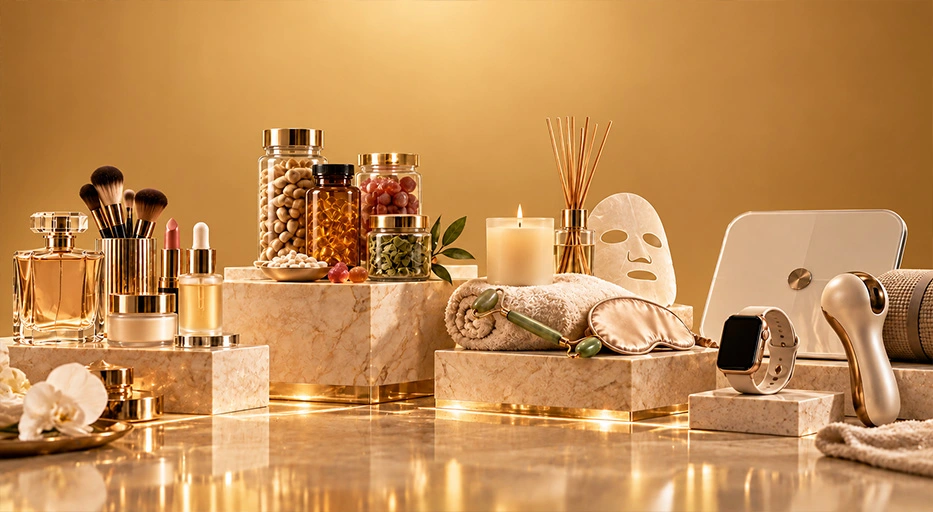
Walk into a Target today, and the skincare aisle sits noticeably closer to the supplement shelf than it used to. That’s no accident; it’s one of the biggest beauty retail trends reshaping stores across the US and UK right now: beauty, health, and wellness, once three separate categories, are becoming one.
But what’s the need for it?
A 2026 study from AlixPartners and CEW found nearly 100% of surveyed consumers now think of these as a single budget item, not three. Here’s how four major retailers are responding.
1. Target Built Its Own Beauty-Wellness Space
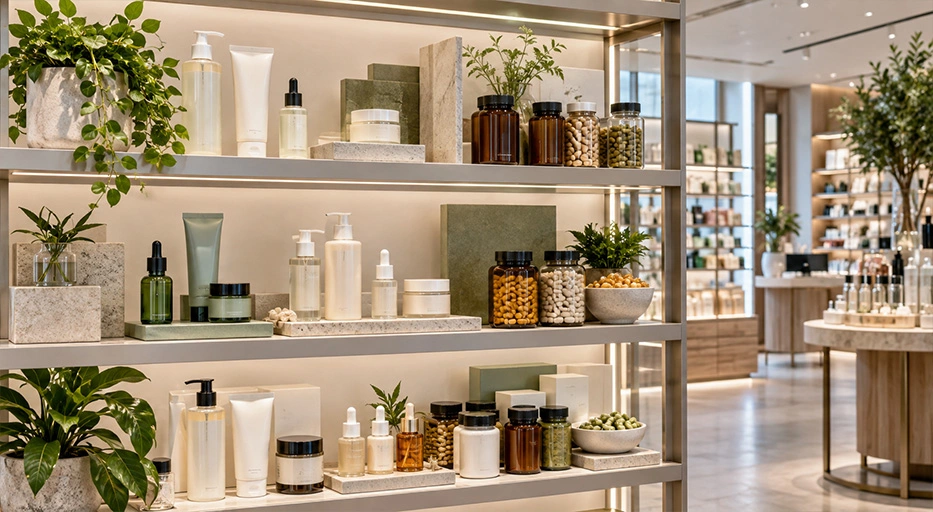
Target ended its longtime shop-in-shop partnership with Ulta Beauty in August 2026, then launched its own Target Beauty Studio on September 10. It’s a clear signal for Target’s retail strategy going forward:
Less outsourcing, more direct ownership of a category that now blends skincare, supplements, and self-care into one trip. You can browse the new format directly on Target’s beauty.
2. Walmart Is Blurring the Lines on Purpose
Silvia Kawas, who runs Walmart U.S. ‘s consumables business, told CNBC that customers now approach health, beauty, and wellness holistically, creating what she called “a lot of blurring of the lines” in stores. As part of its ongoing remodel, Walmart is placing beauty products in high-traffic areas and stocking both entry-level and premium options side by side, a strategy already driving bigger baskets at checkout. It’s a defining shift in Walmart retail this year.
3. Sephora Is Meeting Shoppers Online
Sephora added a dedicated wellness and skincare section to its website, recognizing that a growing share of health and wellness retail discovery starts online, long before anyone walks into a store. Per BeautyMatter’s Q2 2026 tracking, Sephora has stayed anchored in prestige brands even as it expands into wellness, a different approach than its competitors, aimed at the same shift in consumer shopping trends.
4. Ulta Beauty Brought Wellness In-Store
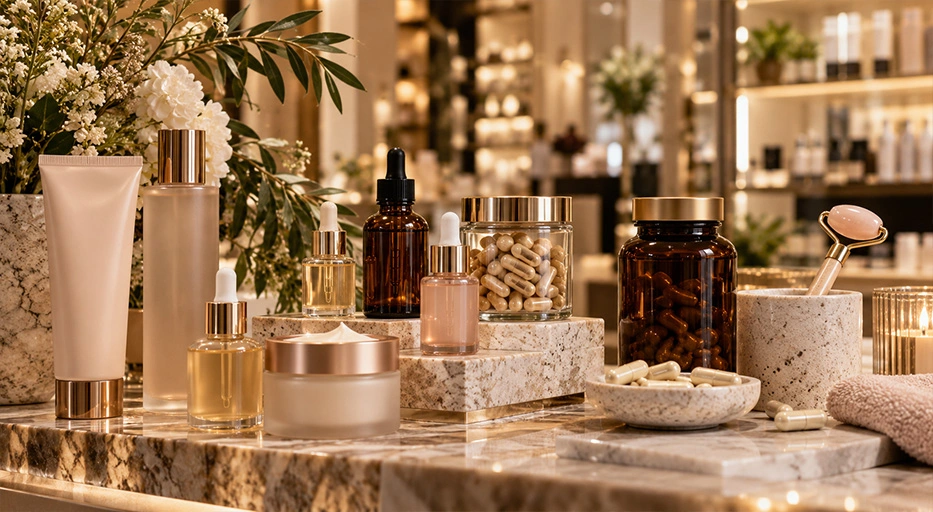
Ulta took the most literal route: physical wellness boutiques inside its stores, stocked with supplements and serums.
The timing tracks with real demand, Circana reported skincare sales revenue grew 8% in the first half of 2026, driven largely by interest in whole-body wellness rather than beauty alone.
Why It’s Happening Now
Shoppers increasingly want products that are efficacious and science-backed, not just aesthetically appealing, a shift that’s rewarding specialty retail players willing to blend categories. Procter & Gamble’s $3.8 billion acquisition of supplement brand Thorne is one sign this convergence has real staying power, not just a passing trend.
The Bottom Line
Beauty, health, and wellness no longer live on separate shelves or separate budgets, and Target, Walmart, Sephora, and Ulta are each rebuilding around that shift in their own way. These beauty retail trends aren’t temporary, they reflect a real, lasting change in what shoppers expect from a single trip.
Frequently Asked Questions
A 2026 AlixPartners and CEW study found nearly 100% of consumers now see them as a single budget item, pushing retailers to reorganize accordingly.
Target Beauty Studio, launched September 10, 2026, after the shop-in-shop arrangement with Ulta ended in August.
Yes, Circana reported 8% skincare revenue growth in the first half of 2026, largely fueled by whole-body wellness interest.
Not quite. US chains like Target and Walmart are redesigning stores around it, while UK retailers such as Boots are spreading breadth across categories instead of launching a single flagship format like Target Beauty Studio.