BEAUTY
 E-COMMERCE
 EDUCATION
 HEALTH
 TECHNOLOGY
 TRAVEL
237 years. That’s how long Congress has existed without ever holding a single hearing on menopause. Not one. A biological transition that half the country will go through, and it took until September 16, 2026, for lawmakers to sit down and actually talk about it. Senators didn’t pretend otherwise, either. They called the hearing “Half the Country, Zero Hearings,” which is either a great joke or a pretty damning admission, depending on how you want to read it.
Inside the Hearing: Gillibrand, Scott, and 75 Million US Women
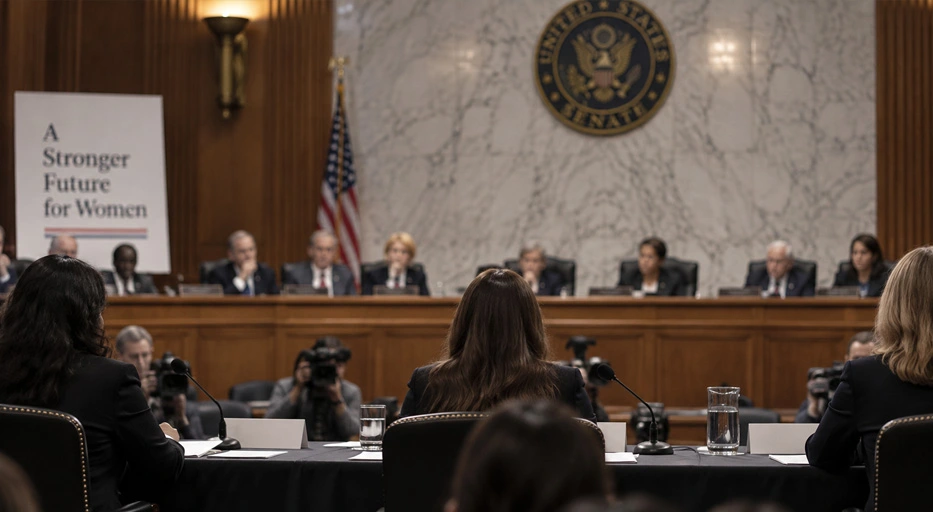
Senator Kirsten Gillibrand of New York ran it alongside Senator Rick Scott of Florida, chairman of the Senate Special Committee on Aging. A Democrat and a Republican, deliberately paired, because apparently even Congress agreed this one shouldn’t be a partisan football. Gillibrand opened with numbers that made the room go quiet: 75 million American women right now, sitting somewhere in perimenopause, menopause, or post-menopause. Another 6,000 join them daily. “For generations women have been told to suffer in silence,” she said. “I’m done with silence.”
Then came the testimony, with gynecologists and researchers walking through exactly where things break down. Research funding that doesn’t come close to matching how many people this affects. Medical schools that barely touch menopause care in their curricula. Treatment access that swings wildly depending on your zip code or which doctor you happened to land with. Before the day ended, Gillibrand and Scott had already fired off a bipartisan letter to the Government Accountability Office, demanding a real investigation into how federal money for menopause research and care actually gets spent.
$26.6 Billion: The Real Cost of an Ignored Transition
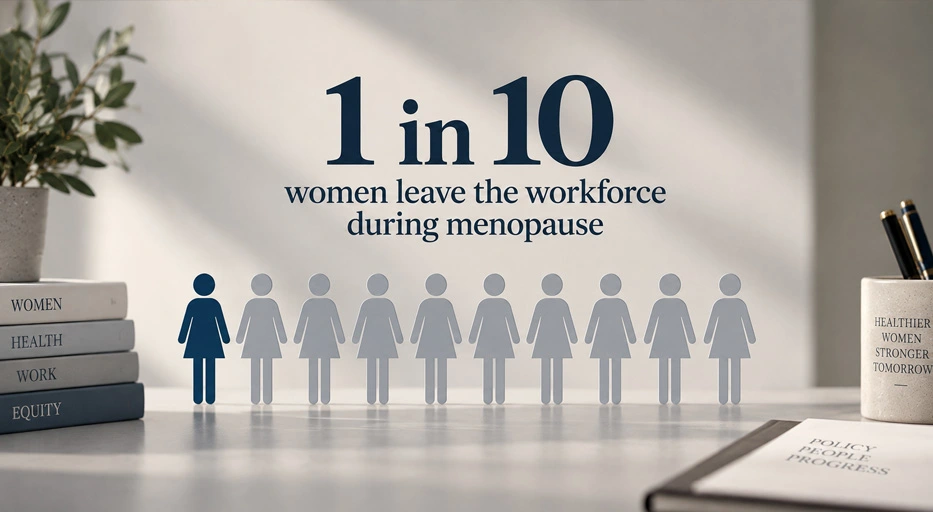
$26.6 billion. That’s what a Mayo Clinic study, cited that the annual economic cost of menopause left untreated or poorly managed. $1.8 billion of that is just lost work time. And here’s the one that really stuck with people afterward: one in ten women leave their jobs entirely during menopause, usually right when their careers are peaking, taking years of expertise with them.
That’s what “impact of menopause” actually means in practice. Not an abstract health statistic tucked away in a journal somewhere. Real careers, real income, and real institutional knowledge, gone, often not because the symptoms couldn’t be managed but because nothing around these women was built to help them manage brain fog, sleepless nights, or hot flashes while still showing up to do their jobs.
Where Menopause Research and Medical Training Fell Behind?
Fair question, and the honest answer isn’t flattering. Menopause research funding has trailed way behind what the sheer scale of the issue would justify, especially compared to other conditions affecting similar numbers of people. Medical schools carry some blame too, criticized for years over how little real training future doctors get before they’re out there treating patients navigating this exact transition.
Which explains why menopause guidelines can feel like a coin flip depending on who you ask. Some doctors know the current science coldly, comfortable talking through hormone therapy and other real options. Others are still leaning on assumptions from research controversies that are decades old at this point, leaving patients with murky, sometimes flatly contradictory advice on menopause treatment that the evidence actually supports just fine.
From Testimony to Policy: What Closing the Gap Requires
Nobody at the hearing pretended this was complicated to diagnose. Closing the menopause care gap, according to the people who testified, comes down to a handful of things: real, consistent guidelines baked into medical training instead of left up to whatever a doctor happened to pick up along the way. Federal funding that reflects how many people this touches, not a token fraction of it. Workplaces that treat menopause as something normal to work through and support, not something to hide and grind through silently.
None of it requires inventing new medicine. Good menopause treatment already exists. It always has. Telehealth platforms built specifically around this life stage, like Midi Health and Evernow, have grown fast precisely because they fill a gap traditional primary care hasn’t: connecting patients directly with clinicians trained in menopause management rather than leaving it to whoever happens to be available. The gap has always been training, funding, and consistency, never the underlying science. If that GAO investigation Gillibrand and Scott asked for actually happens, it might be the first honest federal accounting of exactly where this all falls apart.
What the GAO Investigation Could Mean Next
A hearing doesn’t fix anything by itself. Nobody’s pretending otherwise. What it does is put a number on the table that’s hard to ignore afterward: $26.6 billion a year, one in ten careers derailed, and 75 million women waiting on a system that’s had years to catch up and hasn’t. Whether that GAO report actually changes anything down the line is the part that’s still unwritten.
Frequently Asked Questions
On September 16, 2026, the Senate Special Committee on Aging held Congress’s first-ever hearing on menopause, titled “Half the Country, Zero Hearings,” examining gaps in menopause research, physician training, and care access.
Around 75 million American women are currently in perimenopause, menopause, or post-menopause, with roughly 6,000 women entering menopause every day, according to figures cited at the hearing.
A Mayo Clinic study found untreated menopause costs the U.S. economy $26.6 billion annually, including $1.8 billion in lost work time, and one in ten women leave the workforce entirely during menopause.
Senators Gillibrand and Scott sent a bipartisan letter requesting a Government Accountability Office investigation into how federal agencies fund and coordinate menopause research and care.
Limited formal training in medical schools has historically left many physicians without consistent, up-to-date guidance on menopause treatment, including hormone therapy, resulting in uneven care depending on the provider.